Air Freight Spain: How It Works, When to Use It and What to Expect
August 4, 2026· 5 min read· AJ Logistics, Madrid
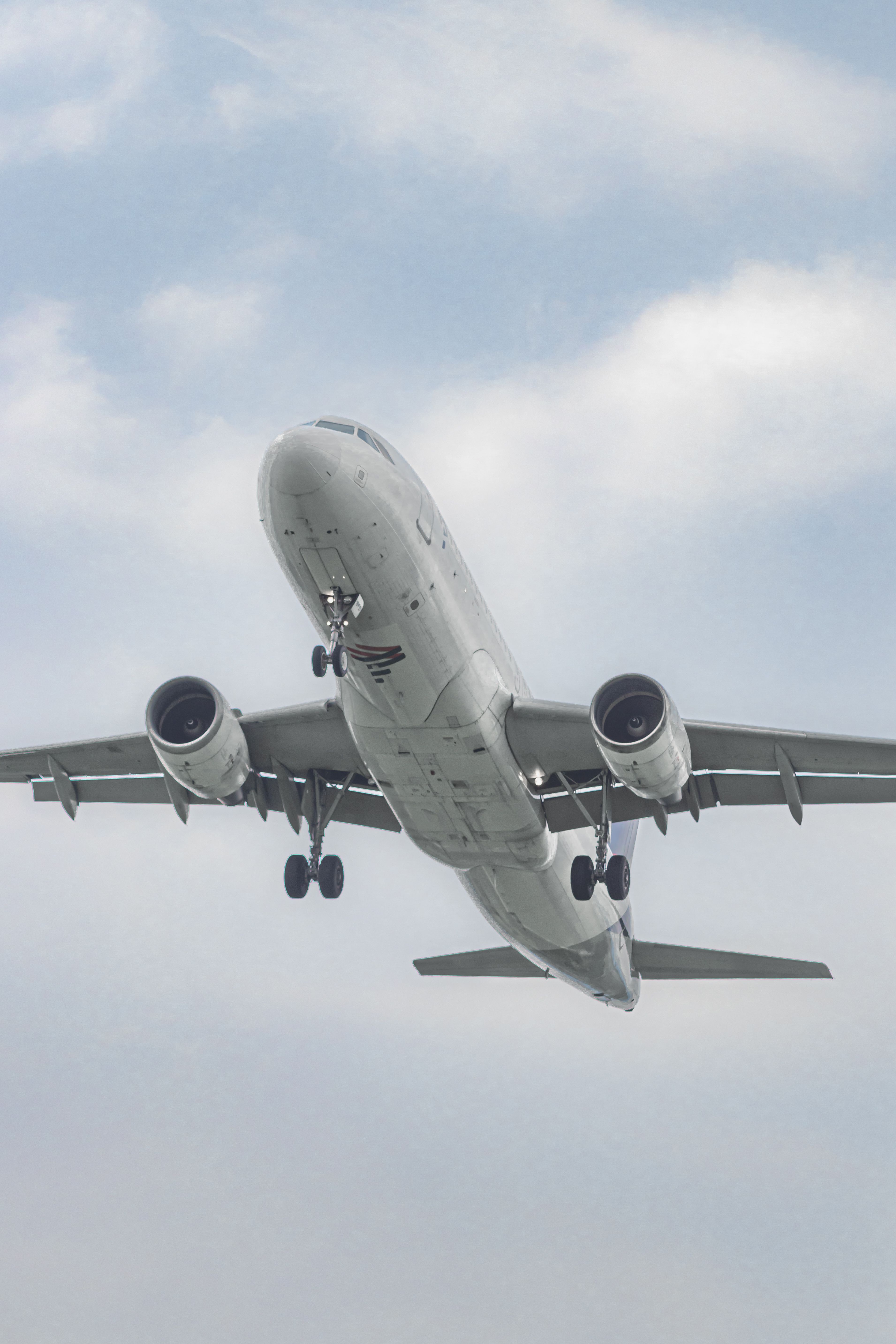
Madrid-Barajas (MAD) is Spain's primary intercontinental cargo gateway, connecting Europe with Latin America, Asia and North America.
Air freight to Spain is faster than any other mode — but it is also the most expensive. Knowing when it makes sense, which airports handle your cargo, and what happens at Spanish customs on arrival can save you time, money and unwelcome surprises.
At a glance
Main cargo airportsMadrid-Barajas (MAD) and Barcelona-El Prat (BCN)
Transit from ChinaTypically 3–7 days door-to-door
Customs clearance24–48 hours with complete documentation
Import VAT21% IVA on customs value (goods + freight + insurance)
Spain's main air cargo airports
Most intercontinental air freight into Spain arrives through one of two major hubs:
MAD
Madrid-Barajas
Spain's largest cargo hub. Excellent connections to Latin America, Asia and North America. Home to multiple bonded cargo terminals with full customs facilities.
BCN
Barcelona-El Prat
Spain's second busiest cargo airport. Strong intra-European and Asian connections. Serves the industrial and manufacturing belt of northeastern Spain.
Other airports — Zaragoza, Valencia, Bilbao — also handle air cargo, particularly for regional distribution or specific sectors. For most international shipments, MAD or BCN will be the practical entry point.
When does air freight make sense?
Air freight is not always the right answer, but in certain situations it is the only one. It tends to make sense when:
The goods are time-sensitive — production stoppages, stock-outs, seasonal product launches
The shipment is small or light — where sea freight minimum charges would eat the saving
The cargo is high-value or fragile — fewer handlings and shorter transit reduce risk
You are dealing with a perishable product or one with a short commercial window
For large, heavy or low-value cargo with flexible lead times, sea freight will almost always be more cost-effective. If you are shipping from China, our guide on air vs sea freight from China to Spain walks through the decision in detail.
How does air customs clearance work in Spain?
When your cargo lands at a Spanish airport, it is offloaded into a bonded cargo terminal — a controlled area where goods wait under customs supervision until cleared. The importer (or their customs agent) must file a formal import declaration — the DUA — specifying the tariff codes, declared value, and origin of the goods.
Once the declaration is accepted and any import duties and VAT are paid or guaranteed, customs issues a release order and the goods can be collected. The process usually takes 24 to 48 hours when documentation is complete. Errors, missing certificates, or an inspection request from customs can extend this significantly.
One thing catches importers by surprise: the airway bill freight cost is included in the customs value. That means the international freight you paid is taxable — duty and IVA are charged on it too. This is standard EU practice and not specific to Spain. For more on how import duties and VAT are calculated, see our Spain import duties and VAT guide.
What documents do you need for air freight to Spain?
The core documentation for any air shipment arriving in Spain is the airway bill (AWB), a commercial invoice, and a packing list. Depending on the product, additional documents may be required: certificates of origin (for preferential duty rates), phytosanitary or health certificates, CE declarations, or import licences for regulated categories.
If any document is missing or inconsistent with the declaration, customs will put the shipment on hold. Getting the paperwork right before departure is always faster than correcting it in the cargo terminal after the flight lands.
Every shipment is different. Transit times, duty rates, document requirements and handling charges vary by origin, product, airline and airport. If you are planning an air freight shipment to or from Spain, talk to us before booking — a few minutes of advice upfront prevents most of the delays and extra charges that catch first-time importers off guard.
Frequently asked questions
The two main air cargo airports in Spain are Madrid-Barajas (MAD) and Barcelona-El Prat (BCN). Madrid is the larger intercontinental hub and handles most traffic from Latin America, Asia and North America. Both have bonded cargo terminals with full customs clearance facilities. Zaragoza, Valencia and Bilbao also handle cargo volumes.
Door-to-door air freight from China to Spain typically takes 3 to 7 days. From the UK or Germany, next-day or 48-hour express options are available. From the US East Coast, expect 2 to 4 days. These times include airport handling and customs clearance on arrival, which usually takes 24 to 48 hours when documentation is correct.
Air freight makes sense when speed is critical, when the shipment is small or lightweight, when goods are perishable or high-value, or when a delay would cost more than the air premium. Sea freight is more economical for large, heavy or lower-value cargo with flexible lead times. The right answer depends on the specific shipment — we can help you compare the options.
Air cargo is offloaded into a bonded cargo terminal at the arrival airport. The importer or their customs agent files a DUA declaration with the correct tariff codes and declared value. Once accepted and duties/VAT paid, customs releases the goods for collection. With complete documentation, clearance typically takes 24 to 48 hours. Missing or incorrect documents cause delays.
Yes. Import VAT (IVA at 21%) applies to all air freight shipments arriving from outside the EU. It is charged on the customs value, which includes the cost of goods plus the international airway bill freight cost and insurance. VAT-registered Spanish businesses can recover import IVA in their tax return. Private individuals cannot.
The standard documents are the airway bill (AWB), commercial invoice, and packing list. Depending on the product, you may also need a certificate of origin (for preferential duty rates), health or phytosanitary certificates, CE declarations, or import licences. Your freight forwarder will confirm the exact requirements for your specific goods.